Acoustical Ceiling Tiles in Montgomery, AL: A Complete Guide for Homes and Businesses
Acoustical ceiling tiles in Montgomery, AL are among the most practical building products available for local homes and businesses. Whether you are upgrading a commercial office, finishing a basement, or renovating a school or clinic, understanding your options helps you choose the right product and avoid costly mistakes.
What Are Acoustic Ceiling Panels and How Do They Work?
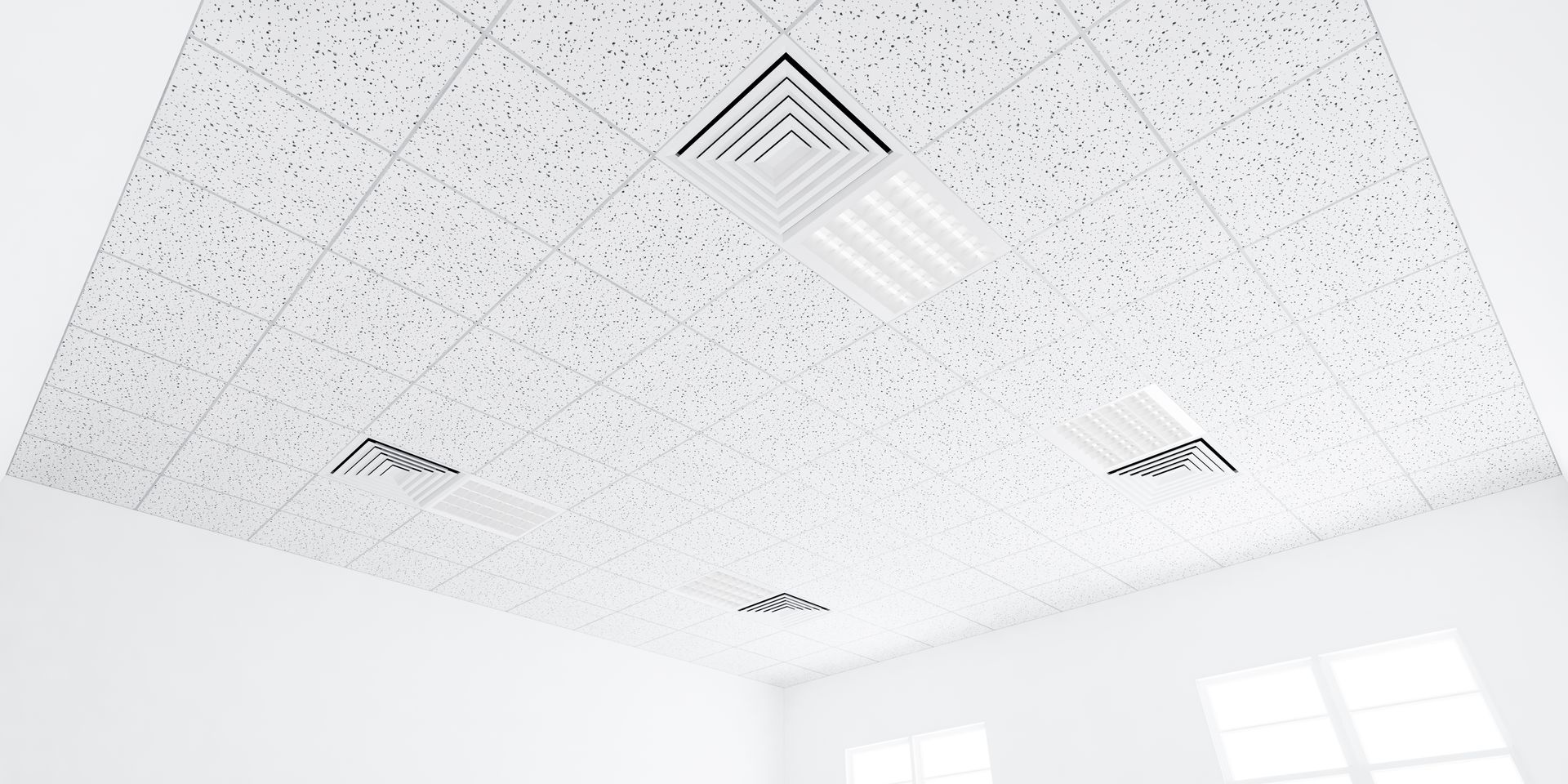
Sound-absorbing ceiling panels reduce noise by absorbing sound waves rather than letting them bounce around a room. They fit into a suspended grid system, commonly called a drop ceiling, and sit below the structural ceiling, giving installers easy access to plumbing, electrical, and HVAC lines above.
Two ratings matter most when comparing tiles. The Noise Reduction Coefficient (NRC) measures sound absorption; a higher NRC means better performance. The Ceiling Attenuation Class (CAC) measures how well a tile blocks sound from traveling between rooms, which is critical in offices, clinics, and schools where privacy matters.
Common Tile Materials at a Glance
- Mineral fiber: NRC 0.50 to 0.75, CAC 35 to 40. Best for offices, schools, and clinics.
- Fiberglass: NRC 0.90 to 1.00, CAC 20 to 25. Best for auditoriums and large open spaces.
- Vinyl-faced: NRC 0.50 to 0.70, CAC 30 to 35. Best for kitchens, food service, and humid areas.
Which Acoustical Ceiling Tiles Work Best in Alabama's Humidity?
Montgomery's hot, humid summers can cause standard mineral fiber tiles to sag, stain, or grow mold. Choosing the wrong ceiling tile for a Montgomery building is one of the most expensive mistakes buyers make, particularly in spaces that experience seasonal temperature swings.
Look for tiles rated for high-humidity environments. Vinyl-faced panels and certain fiberglass tiles resist sagging and moisture absorption. Several USG product lines are offered with high-humidity performance ratings, so ask about the specific humidity rating on the tile you are considering. For basements or restroom-adjacent corridors with intermittent moisture, mold- and mildew-resistant tiles add years to ceiling life. Temperature swings between air-conditioned interiors and humid outdoor air are another reason to specify tiles with a verified sag-resistance rating on any Montgomery project.
Where Are Acoustical Ceilings Used in Montgomery?
Commercial and Government Buildings: Montgomery's state offices, insurance companies, and professional service firms benefit from high-NRC tiles that absorb ambient noise and improve worker concentration. Suspended acoustical ceilings are a standard specification on most commercial builds in the area.
- Schools and Houses of Worship: Acoustic panels manage reverberation in classrooms and sanctuaries. Many Montgomery churches and schools use 2x2 mineral fiber tiles for their combination of affordability and sound control.
- Medical Clinics and Dental Offices: High-CAC tiles meet speech-privacy requirements in healthcare settings where patient privacy is essential.
- Restaurants and Retail: Vinyl-faced tiles handle moisture and cleaning better than standard mineral fiber, making them a strong choice in food-service spaces.
- Residential Basements and Remodels: Homeowners finishing basements in neighborhoods like Cloverdale and Midtown often choose drop ceiling systems for easy utility access combined with improved appearance and acoustics. Drop ceiling tiles are a popular upgrade among local homeowners for exactly this reason.
Drop Ceiling vs. Drywall: Which Is Better for Your Space?
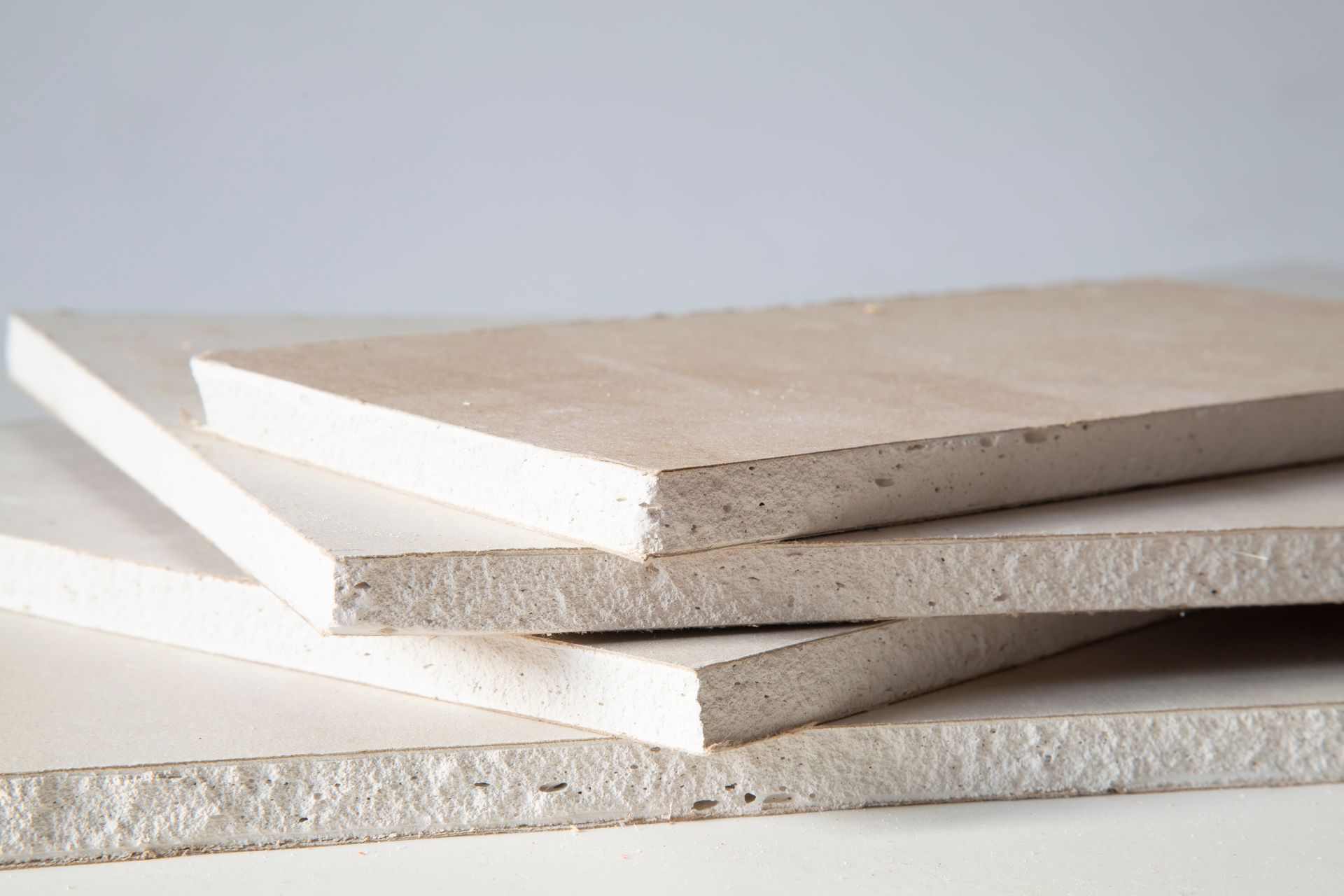
A drop ceiling is the smarter choice when access to utilities matters. You can remove a single tile to reach pipes or HVAC equipment without damaging the ceiling structure. Drywall requires cutting and patching for any repair.
A well-specified acoustical tile system can match or outperform basic drywall in noise reduction. Drywall may look cleaner in residential living areas, but for commercial spaces, medical offices, and any area with overhead utilities, a suspended acoustical system is typically more practical and cost-effective over the long term. When comparing options, many contractors find that a suspended acoustical ceiling offers a better overall value for commercial and institutional projects.
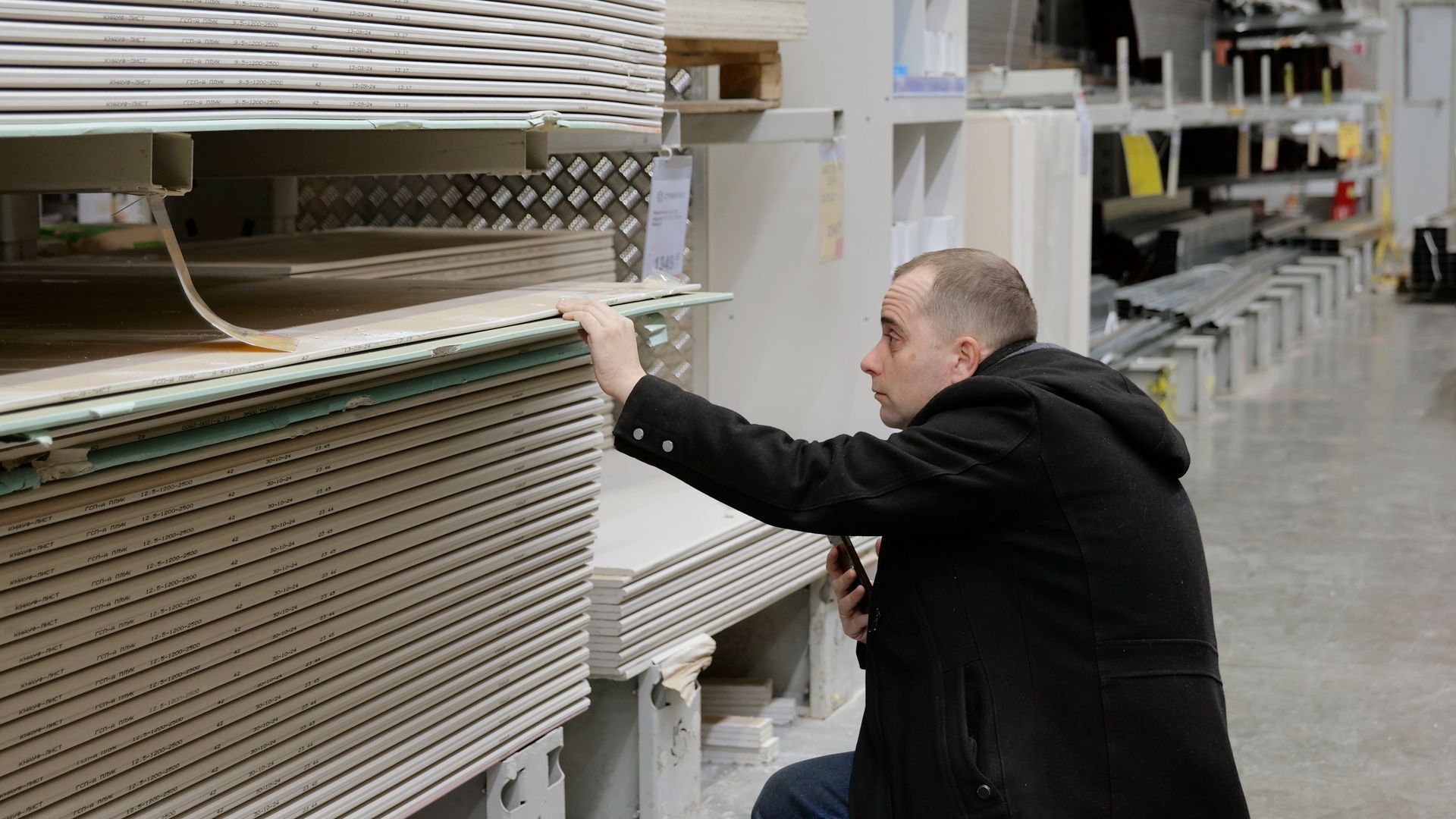
What Should You Ask a Ceiling Tile Supplier Before You Buy?
- Ask whether the supplier stocks your specific tile or needs to special-order it.
- Confirm the supplier carries USG products, which are widely specified on commercial projects across Alabama.
- Ask about local delivery options and lead times if your project timeline is tight.
- Ask whether the supplier offers contractor accounts to simplify purchasing across multiple jobs.
- Confirm tile size availability. The two standard sizes are 2x2 and 2x4; substituting one for the other can affect the grid layout.
How Long Do Acoustical Ceiling Tiles Last?
Most quality tiles last 10 to 20 years in a properly conditioned space. Humidity, smoke, and physical damage are the main factors that shorten tile life. Moisture-resistant tiles hold up significantly longer than standard mineral fiber in unconditioned or semi-conditioned Alabama spaces.
Can Ceiling Tiles Be Painted?
Yes, but painting can reduce the NRC rating by filling the small pores that absorb sound. If you need to refresh tile color, use a light coat of flat latex paint and expect some reduction in acoustic performance.
Do Acoustic Panels Actually Soundproof a Room?
Ceiling tiles absorb and reduce sound but do not fully soundproof a room on their own. Soundproofing requires sealing all gaps and often adding mass to walls and floors. Acoustical tiles are sound management tools: they reduce echo, lower ambient noise levels, and improve speech privacy when paired with high-CAC ratings and properly sealed grid systems.
Can I Replace a Single Damaged Tile?
Yes. Individual tiles can be removed and replaced without disturbing the rest of the ceiling. Keep a few extra tiles from the original order so replacements match in color and texture, since tiles can fade over time.
Where to Buy Acoustical Ceiling Tiles and Grid in Montgomery
Interior Distributors of Alabama, Inc. serves contractors, facility managers, and property owners from its location at 4657 Endover Drive, Montgomery, AL, 36105. The Montgomery office carries acoustical ceiling tiles in Montgomery, AL and suspended grid components, and the team can help you select the right product for your project's humidity, acoustic, and budget requirements. Walk-ins are welcome, and local delivery is available.
With more than 50 years in the building materials industry and a focus on USG products, the team brings real expertise to every order. Call (334) 284-6211 to speak with a specialist, browse available products online, or visit the contact page to request a quote. You can also find Interior Distributors of Alabama, Inc. on Google to read reviews and get directions.